
Is October Too Late for Overseeding in Central Virginia?
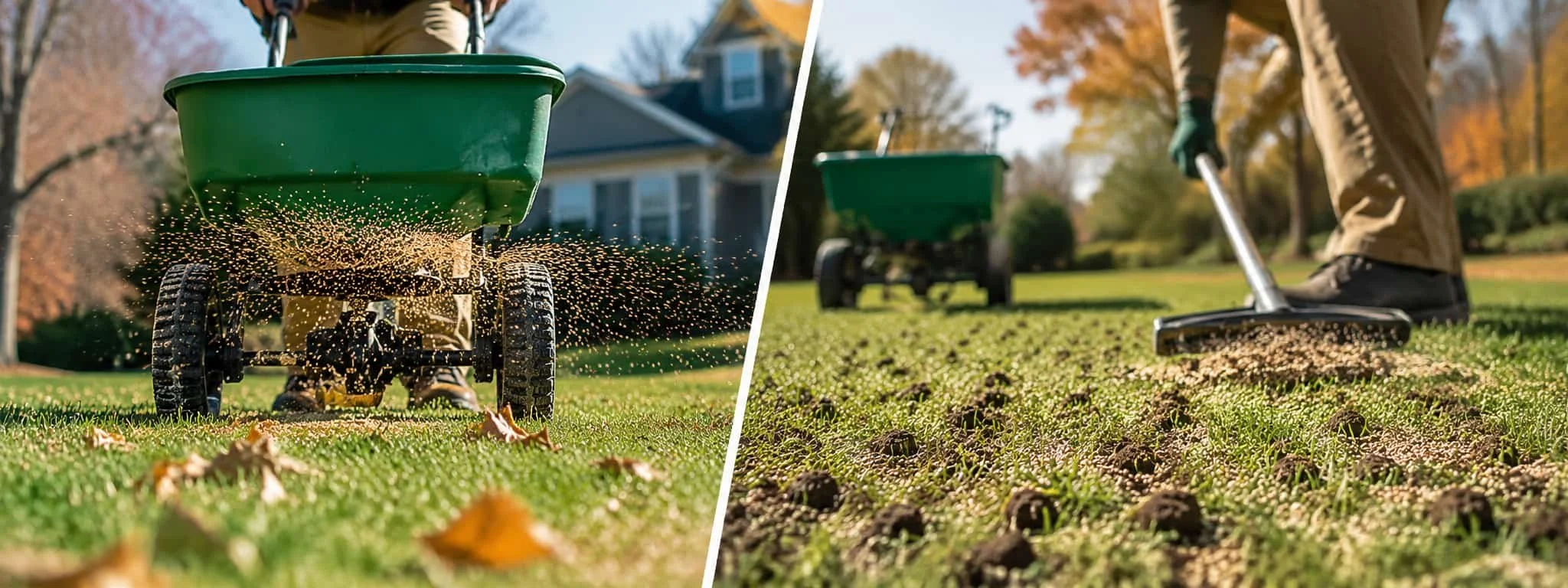
October is not always too late for overseeding in Central Virginia, but the window becomes tighter and results depend more on weather, soil conditions, and timing. Homeowners in Powhatan, Midlothian, and Goochland usually get better odds when they act early enough to pair overseeding with the right fall lawn care timing.
As the leaves begin to turn and the morning air takes on a crisp edge, many Richmond-area homeowners realize their lawns haven’t quite recovered from the summer heat. If you find yourself staring at thinning patches or bare spots as the calendar flips to October, the central question is whether you should pull the trigger on overseeding in Central Virginia now or wait until next year.
So, if your lawn is thin, stressed, or compacted, aeration and overseeding can still make sense in early October when timing and conditions are handled correctly.
Is October Too Late?
The short answer is: No, but you are playing a high-stakes game with Mother Nature. In our region, the "goldilocks" window for fall overseeding typically runs from late August through the end of September. However, October overseeding can be successful if the soil temperatures remain warm enough for germination and the first hard frost holds off long enough for young grass blades to "harden off."
For residents in Midlothian or Goochland, the first week of October is generally considered the "last call." Beyond that, you are entering late season overseeding territory. While grass seed can still germinate in cooler temperatures, the growth rate slows down significantly. If you plant too late in the month, you risk the tender new shoots being killed off by an early-season freeze before they have established a sustainable root system.
Why Fall Timing Matters for Overseeding?
Understanding the biology of our local turf is key to knowing the best time to overseed. Most lawns in Central Virginia consist of cool-season grasses like Tall Fescue. These varieties thrive when daytime temperatures are in the 60s and 70s and nighttime temperatures hover in the 50s.
When you prioritize overseeding in Central Virginia during the fall, you are taking advantage of two critical factors: warm soil and cooling air. Unlike the spring, when the ground is cold and the air is warming up (often leading to fungal issues and weed competition), the fall provides a stable environment for cool-season lawn recovery.
By seeding in the fall, you give the grass two full growing seasons, fall and spring, to develop a deep root system before it has to face the brutal humidity and drought of a Virginia summer. If you wait until October, that first "growing season" is cut short, leaving the plant less prepared for the winter dormancy period.
What Makes Late Overseeding Riskier?
As we move deeper into the month, several variables begin to work against the success of your lawn. The primary risk of late season overseeding is the lack of "establishment time." New grass needs approximately 21 to 45 days of growth before the ground freezes.
In areas like Powhatan and Goochland, the geographical landscape can lead to pockets of early frost. If a hard frost hits while your new grass is still in its "sprout and pout" phase, the cell walls of the young plants can rupture, leading to total seedling loss.
Furthermore, October overseeding faces the challenge of falling leaves. If your lawn is covered in a heavy blanket of oak or maple leaves, the sunlight required for photosynthesis is blocked, and the moisture trapped underneath can lead to "damping off," a fungal disease that kills new seedlings. This often requires a more intensive lawn mowing service or leaf removal strategy to ensure the seed actually sees the light of day.
If you are trying to decide whether your lawn still has time for fall overseeding, request an assessment now before the window closes further.
When Aeration Plus Overseeding Still Makes Sense
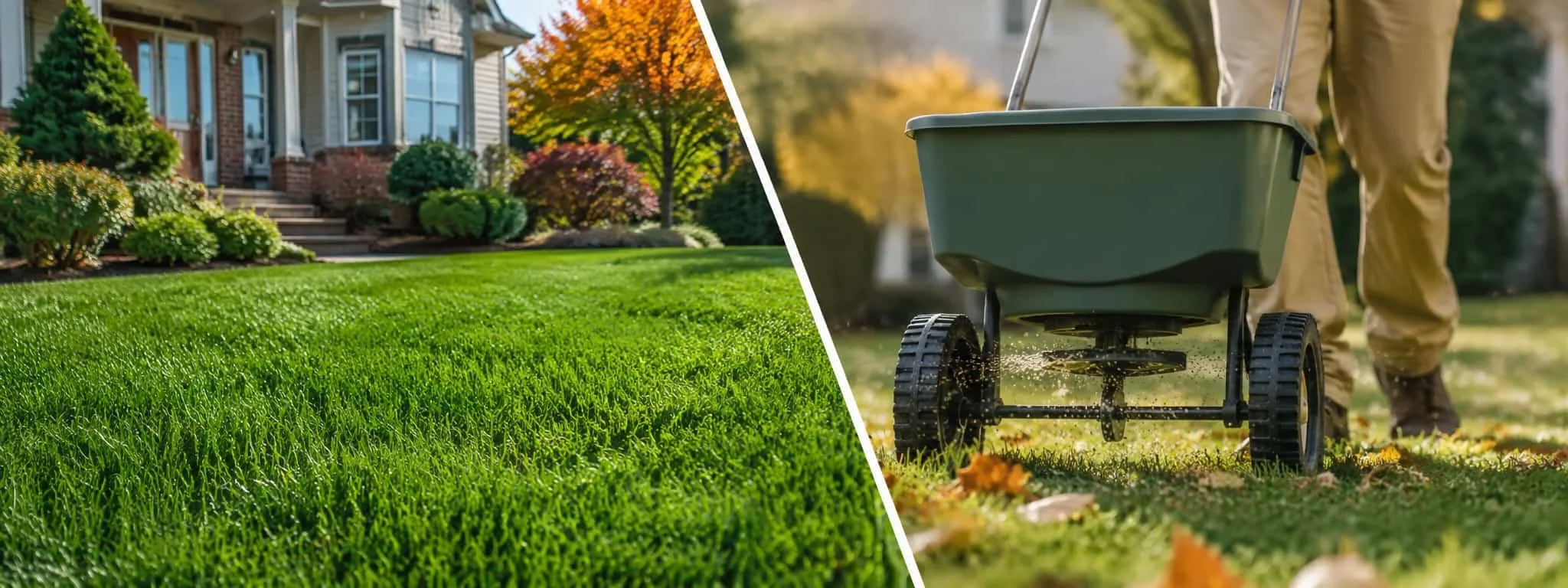
Even if the calendar is creeping toward mid-October, there are scenarios where aeration and seeding is still a smart investment. Soil compaction is a year-round enemy of healthy turf. If your soil is as hard as a brick after a dry summer, the grass you currently have will struggle to survive the winter regardless of whether you add new seed.
Aeration and overseeding together provide a "safety net" for late-season efforts. The process of core aeration pulls small plugs of soil from the ground, allowing oxygen, water, and nutrients to reach the root zone. When seed is dropped into these aeration holes, it sits deeper in the soil profile. This provides:
Insulation: The seed is protected from fluctuating surface temperatures.
Seed-to-Soil Contact: This is the most critical factor for germination.
Moisture Retention: The holes act as tiny reservoirs, keeping the seed hydrated even if the autumn air is dry.
If your lawn is currently thin and the soil is compacted, performing Midlothian aeration and seeding in early October is often better than doing nothing at all, provided you are prepared to manage your expectations regarding the density of the initial "fill-in."
What Homeowners in Powhatan, Midlothian, and Goochland Should Watch For
Regional variations matter. The clay-heavy soils often found in Powhatan aeration and seeding projects behave differently than the more manicured suburban plots in Midlothian.
If you are considering is October too late for overseeding for your specific property, watch these three indicators:
Soil Temperature: You want soil temperatures to be at least 55°F. You can check local agricultural extensions for real-time data. Once the soil drops below 50°F, germination for Fescue becomes incredibly slow.
The "Leaf Drop": In heavily wooded areas of Goochland aeration and seeding becomes a race against the trees. If you cannot commit to blowing or mulching leaves every 3–4 days, the late-seeded grass will likely be smothered.
Moisture Levels: October can be a dry month in Virginia. Late-season seeds require consistent moisture (short, frequent watering) to germinate. If you’ve already winterized your irrigation system, it may be too late to start a new seeding project.
Making the Final Call
Deciding whether to proceed with October beingtoo late for overseeding comes down to a risk-versus-reward calculation. If your lawn is in dire shape, waiting until next fall means another year of erosion, weeds, and poor curb appeal. Acting in October, even if the results are only 70% of what a September seeding would have produced, still moves your lawn in the right direction.
However, the margin for error is slim. Professional application becomes much more important as the window closes. A professional can ensure the right seed blend is used and that the aeration depth is sufficient to protect the investment from the coming frost.
Need help deciding whether to overseed now or wait? Fiore’s Landscaping can recommend the smarter move for your yard. Whether you need a quick assessment of your soil's current state or a professional team to handle the heavy lifting of aeration and seeding, we are here to ensure your Central Virginia lawn is set up for long-term success.
Frequently Asked Questions
-
It is considered the "tail end" of the season. While early October is often successful, late October is risky. Success depends heavily on the date of the first hard frost and your ability to keep the seed watered and clear of fallen leaves.
-
The biggest factors are seed-to-soil contact, consistent moisture, and sunlight. If the seed sits on top of thatch, stays dry, or is covered by leaves, it will fail regardless of whether it is September or October.
-
Absolutely. Especially in the transition zone of Central Virginia, our clay soils compact easily. Aeration ensures the seed has a home where it can actually grow.
-
Generally, no. Spring-seeded grass often lacks the root depth to survive the Virginia July and August heat. Additionally, most effective pre-emergent weed controls cannot be used at the same time as spring seeding, leading to a lawn full of crabgrass.
